
You’re Sweet Enough Without the Added Sugar
Do you enjoy a no-sugar-added soda with dinner every night? What about a low-sugar, high protein ‘nutrition bar' after a workout? At the office, are you mindlessly grazing through the low-sugar or no-sugar added cookies? Do you read food label ingredients to see where the sugars are hidden? If you're regularly drawn to sweets or foods laden with artificial sweeteners, try going without them for a few days and see what happens. Do you start having headaches, irritability, cravings, and symptoms that can only be described as withdrawal? Do you find yourself so uncomfortable that you're drawn right back to those same foods? If yes, you may be trapped a cycle of sugar addiction.
Sugar is a carbohydrate, one of the major nutrient groups, but it doesn't provide vitamins or minerals. Carbohydrates provide energy for your body to function, but added sugar is pure energy, and too much is harmful. Natural sugars from fruits and vegetables absorb more slowly due to the nutrients and fiber in the food. They are also important to a balanced diet. Sugar names you might recognize are sucrose (table sugar), fructose (found in fruits, some root veggies, and honey), and lactose (milk sugar).
Dangers of Too Much Sugar
Added sugar, artificial sweeteners, and processed ‘natural' sugar like high fructose corn syrup are detrimental to your health. Diets high in sweeteners have been linked to weight gain, type 2 diabetes, metabolic disease, and increased risk of developing cardiovascular disease. Don’t forget - heart disease is the number one killer of people around the globe. This especially important during Heart Month every February. Additionally, artificial sweeteners may contribute to autoimmune disease and digestive problems.
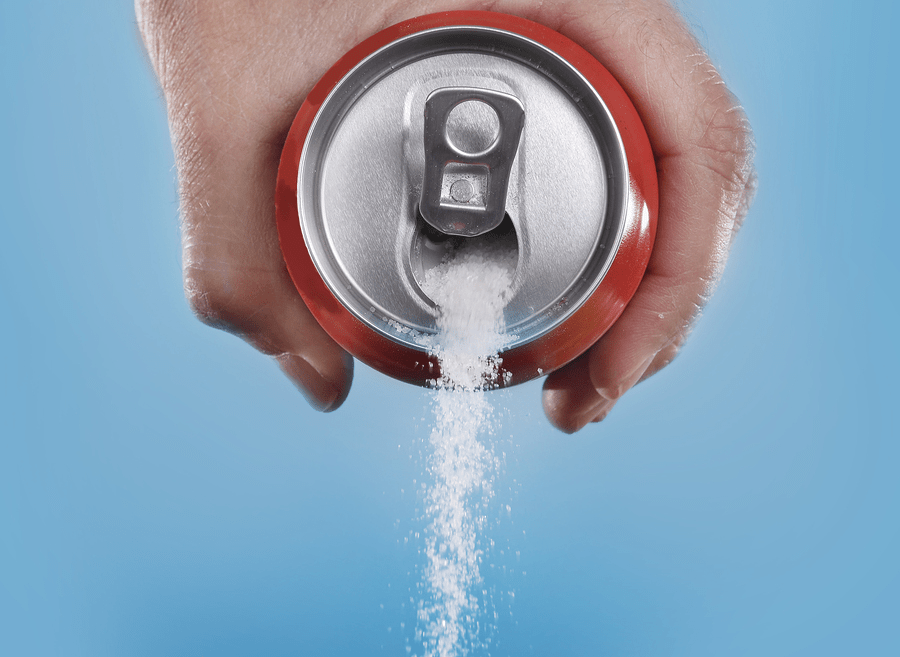
Despite this, sugar is added to an array of foods, including condiments like ketchup and barbecue sauce, fruited yogurt, cereal, canned soup, certain brands of lunch meat, salad dressings, bread, and so much more. The American Heart Association recommends men consume no more than 9 teaspoons of sugar (150 calories) per day, and women should consume no more than 6 teaspoons (100 calories) per day. An example of this is drinking 1 12 can of pop or a 20oz bottle of Gatorade. This one drink causes you to exceed your sugar intake for the day.
Sugar's Addictive Qualities
When we ingest sugar, our body generates a response similar to that seen in addicts, and that is why we develop cravings for more. It can be called the “cocaine of dietary additives”.
Here's how it works: Sugar -- whether natural, processed or artificial -- enters the bloodstream quickly, causing your blood sugar level to spike. The body recognizes this imbalance and acts to bring blood sugar back to normal levels. Insulin, a pancreatic hormone, pushes glucose into the cells to be used for energy. But if you eat a lot of sugar, the body can't keep up. The pancreas works harder, making even more insulin, and the body overcompensates, causing blood sugar to drop too low - and your brain reacts. You feel depleted, irritable, and crave more sugar.
Eliminate Unhealthy Sugar From Your Diet
Most importantly, do your best to stick to a whole foods diet. Quality protein, vegetables, and fruits support overall health and blood sugar balance. As you work to support a healthy reduced-sugar diet, keep the following tips in mind:
Learn Where Sugar Hides. Check the nutrition label for ‘added sugar.’ If it’s higher than 0 grams, then there is definitely a sweetener added. On ingredient lists, look for the words sugar or ones ending in '-ose.' If they're among the first five items listed, it's not worth buying. When sugar is among the last ingredients, that's makes it a better choice.
Avoid the Fake Stuff. Products containing artificial sweeteners are not a healthy alternative. Diet soda, 'fat-free' and 'sugar-free' products are associated with weight gain and cravings, creating a cycle of addiction. Examples to watch out for are sucralose, aspartame, and saccharin. Sugar alcohols are toted as healthier with fewer calories, but these can cause digestive upset. They may be linked to other health concerns, but research is ongoing.
Make Sweet Substitutions. Look for snacks labeled 'no added sugar' or 'unsweetened.' Use canned foods packed in water or natural juice. When baking, swap table sugar with applesauce, date paste, molasses, or fruit puree. Honey or maple syrup are also healthier table sugar alternatives. A little cinnamon or vanilla powder is a great way to sprinkle flavor onto yogurt, oatmeal, or coffee. Opt for cane sugar, coconut sugar, or brown rice syrup over other processed sugars. Organic is best if it fits your budget.
Reprogram Your Sugar Meter Slowly. If you put two sugar packets in your coffee, cut back in half-packet increments over the course of a few days. Switch to healthier sweet options at the same time you are cutting back on processed sugars. Finally, keep sugar off the kitchen table. Small steps add up to sweet success! You ARE sweet enough without the added sugar.
If you are looking to start your journey to a healthier you, consider scheduling your 15 minute Discovery Visit with Dr. Blandford. Learn how naturopathic methods can support your health goals now and throughout the year.
Resources
- Basciano, H., Federico, L., & Adeli, K. (2005). Fructose, insulin resistance, and metabolic dyslipidemia. Nutrition & metabolism, 2(1), 5. https://doi.org/10.1186/1743-7075-2-5
- Boseley, S. (2013). 'Sugar, not fat, exposed as deadly villain in obesity epidemic.' The Guardian. Accessed 7 Dec 2016. https://www.theguardian.com/society/2013/mar/20/sugar-deadly-obesity-epidemic.
- Davis, P.A., Yodoyama, W. (2011). “Cinnamon intake lowers fasting blood Glucose: meta-analysis.” J. Medicinal Food 12:9, pp. 884-9. DOI: 10.1089/jmf.2010.0180. https://pubmed.ncbi.nlm.nih.gov/21480806/
- Kubala, Jillian. (2024). “11 Reasons Why Too Much Sugar Is Bad for You.” (posted by Gunnar, K. no date). Healthline. Accessed 18 January 2026. https://www.healthline.com/nutrition/too-much-sugar.
- Page KA, et al. (2013). “Effects of fructose vs glucose on regional cerebral blood flow in brain regions involved with appetite and reward pathways.” JAMA.309(1):63-70. doi: 10.1001/jama.2012.116975. Erratum in: JAMA 309(17):1773. PMID: 23280226; PMCID: PMC4076145.
- Psych Today Online. (2013). 'Just Say No to Artificial Sweeteners.' Accessed 19 Dec 2016. https://www.psychologytoday.com/blog/nourish/201306/just-say-no-artificial-sweeteners.
- Sachmechi I, et al. (2018). “Autoimmune Thyroiditis with Hypothyroidism Induced by Sugar Substitutes.” Cureus. 10(9):e3268. doi: 10.7759/cureus.3268. PMID: 30430057; PMCID: PMC6221534.
- Schiffman SS. (2012). “Rationale for further medical and health research on high-potency sweeteners.” Chem Senses. 37(8):671-9. doi: 10.1093/chemse/bjs053. Epub 2012 Apr 26. PMID: 22539626; PMCID: PMC3440882.
- Schulze, M. B., Manson, J. et al. (2004). “Sugar-Sweetened Beverages, Weight Gain, and Incidence of Type 2 Diabetes in Young and Middle-Aged Women.” JAMA 292:8, pp. 927-934. doi:10.1001/jama.292.8.927. http://jamanetwork.com/journals/jama/fullarticle/199317.
- Yang, Qing. (2010). 'Gain Weight by ‘going Diet?' Artificial Sweeteners and the Neurobiology of Sugar Cravings: Neuroscience 2010.' The Yale Journal of Biology and Medicine 83:2, pp. 101–108. https://www.ncbi.nlm.nih.gov/pmc/articles/PMC2892765/
Leave a Comment
(0 Comments)